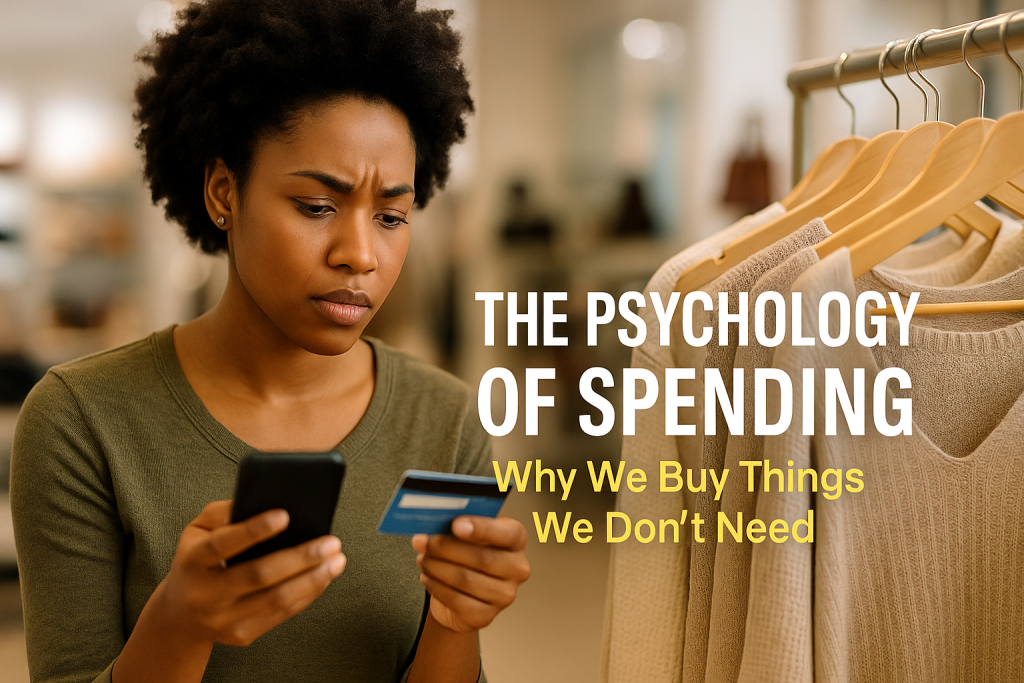
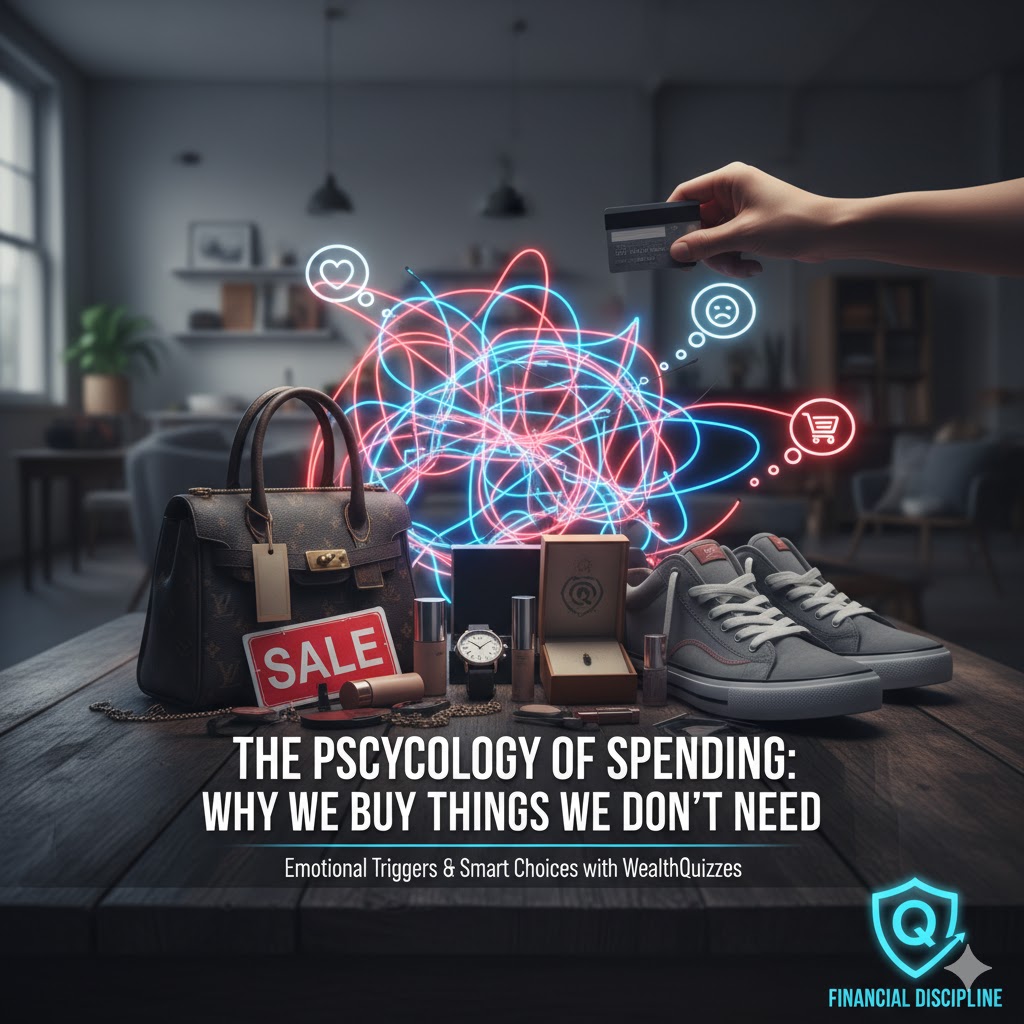
The Psychology of Spending: Why We Buy Things We Don’t Need
Have you ever purchased something — a new phone, designer outfit, or online subscription — only to later realize you didn’t really need it? You’re not alone. In today’s world of flashy advertisements and social pressure, spending has become more emotional than rational. Many Nigerians and Africans in general struggle with impulse buying, which silently cripples long-term financial goals.
Understanding why we spend unnecessarily is the first step toward financial discipline and smarter money habits. Platforms like WealthQuizzes help bridge this gap by strengthening awareness, discipline, and knowledge around money decisions — one question at a time.
🧠 Why We Spend When We Should Be Saving
Spending isn’t just a financial action — it’s a psychological response. When we buy, the brain releases dopamine, a “feel-good” chemical that rewards us. Marketers know this well — and exploit it.
Here are the top psychological triggers behind unnecessary spending:
1️⃣ Emotional Buying
We shop to feel better — stress, sadness, boredom, heartbreak, even excitement can push people to buy things just to experience temporary happiness.
But the joy doesn’t last. The regret does.
2️⃣ Social Validation
Many purchases are not about the item — but about what others think of it.
Social media intensifies this with:
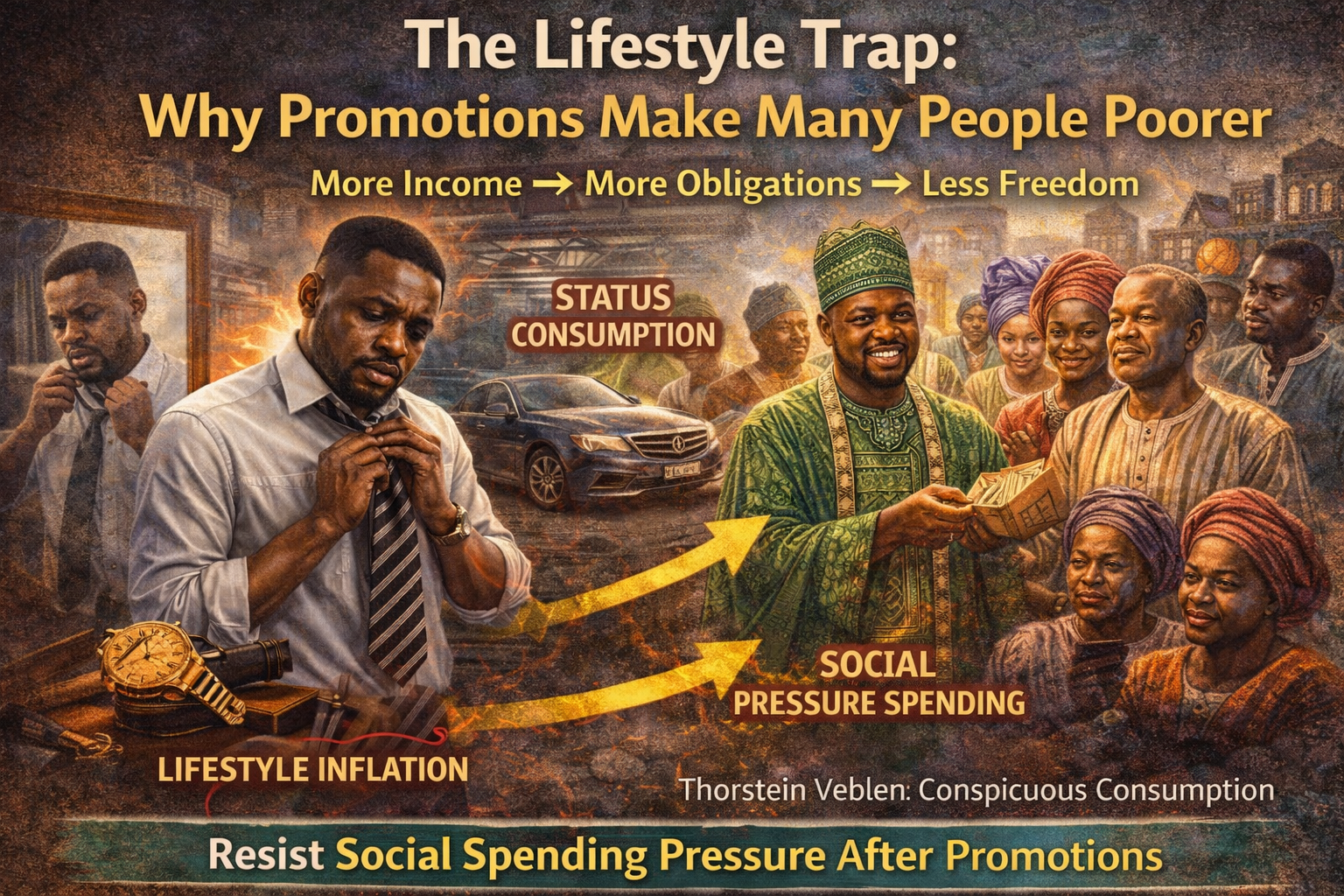
- Celebrity lifestyle pressures
- “Soft life” trends
- The desire to appear successful
This leads to spending for show, not purpose.
3️⃣ Fear of Missing Out (FOMO)
Limited-time offers, discounts, “Only 2 left!” banners — these push us to buy quickly, fearing we’ll miss a great deal.
But most “deals” are designed to pressure spending — not save money.
4️⃣ Advertising Influence
Your favorite influencers and ads are not just entertainment — they are behavioral nudges crafted to manipulate your buying decisions without you realizing it.
5️⃣ Lack of Financial Awareness
Many people don’t track spending or understand its long-term effects. Without a budget, it’s easy to overspend on little things that eventually drain your wallet.
💳 The Hidden Cost of Impulse Spending
Poor spending habits create:
- Persistent debt
- Zero savings at month-end
- Lack of financial peace
- Delayed life goals (home, education, business)
As one financial expert says:
“Small leaks sink big ships.”
It’s not always the big purchases —
it’s the daily habits.
💡 How WealthQuizzes Helps Strengthen Financial Discipline
WealthQuizzes isn’t just a fun quiz platform. It is a tool that helps users:
✅ Build self-control
✅ Think before deciding
✅ Develop strong financial intelligence
✅ Replace impulsive behaviors with strategic habits
Every quiz stage requires:
- Focus
- Smart decision-making
- Patience
- Knowledge
These are the exact attributes needed for responsible financial choices in real life.
By rewarding learning, WealthQuizzes trains the brain to value knowledge over emotional spending.
Instead of spending ₦100 on a snack you don’t need —
you can invest that same ₦100 into learning and earning.
🧩 The Mindset Shift That Builds Wealth
To overcome harmful spending habits:
✔ Pause before buying
✔ Ask: “Do I need this or just want it?”
✔ Track every expense
✔ Invest in learning before spending
✔ Join platforms like WealthQuizzes that promote financial discipline
Wealth isn’t a product of luck — it is a product of conscious habits.
🚀 Final Thought: Control Your Money Before It Controls You
Success isn’t measured by what you buy —
but by the freedom your financial choices create.
Every time you choose learning over impulse spending…
you take one step away from financial stress
and one step closer to financial freedom.
WealthQuizzes helps make that transition enjoyable, rewarding, and lasting.
Start building discipline today —
because smart decisions make wealthy futures.