What Financial Freedom Actually Means — And What It Doesn’t
Separating Social Media Myths from Real Financial Independence and Sustainable Wealth
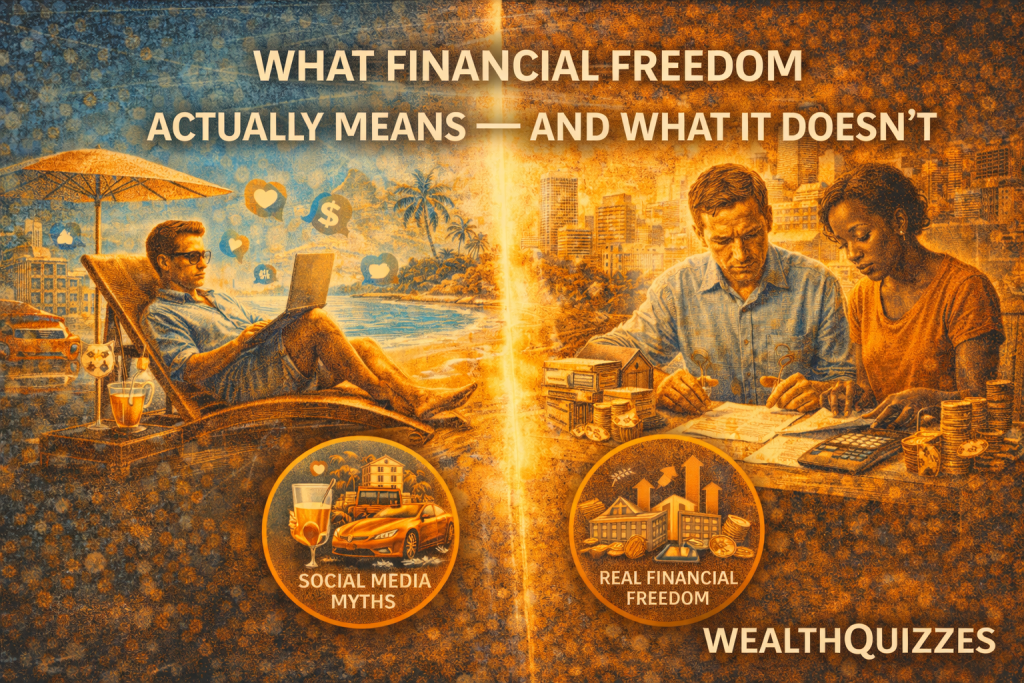
Few phrases are as overused—and as misunderstood—as financial freedom. On social media, it is often portrayed as quitting work in your 30s, traveling endlessly, trading cryptocurrencies from a beach, or earning “passive income” while doing nothing. This version of financial freedom is seductive, but dangerously misleading.
In reality, true financial freedom is neither effortless nor instantaneous. It is not the absence of work, discipline, or responsibility. Rather, it is the presence of choice, resilience, and long-term sustainability. Understanding this distinction is critical—not only for individuals, but for families, businesses, and even nations seeking economic stability.
This article clarifies what financial freedom actually means, exposes what it does not mean, and explains how sustainable wealth is built in the real world.
1. What Financial Freedom Actually Means
1.1 Freedom of Choice, Not Freedom from Work
At its core, financial freedom means having sufficient financial resources to make life decisions without being forced by immediate financial pressure.
It means:
- Choosing what work to do, not being compelled to take any job just to survive.
- Choosing when to work, reduce hours, or step back.
- Choosing where to live and how to structure one’s life.
Financial freedom does not mean never working again. In fact, many financially free individuals continue to work—often more strategically—because work provides purpose, structure, and meaning. The difference is that they work by choice, not by desperation.
1.2 Financial Resilience and Shock Absorption
A key but often ignored component of financial freedom is resilience.
A financially free person or household can withstand:
- Job loss
- Medical emergencies
- Business downturns
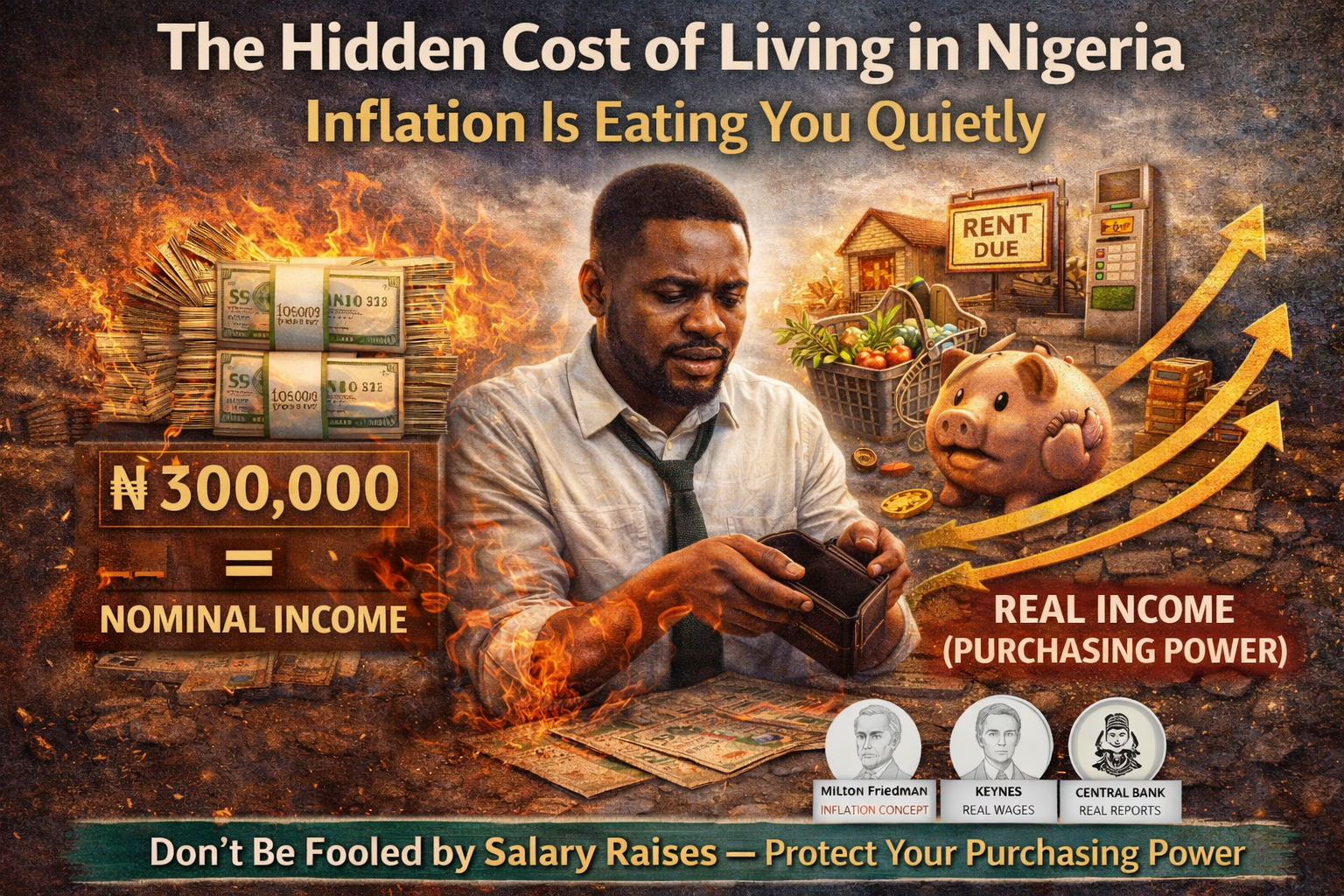
- Economic shocks such as inflation or currency depreciation
This resilience is built through:
- Emergency savings
- Diversified income sources
- Insurance and risk management
- Low vulnerability to short-term income disruptions
Without resilience, apparent “wealth” can disappear overnight.
1.3 Control Over Time Horizons
True financial freedom extends one’s planning horizon.
People trapped financially think in days and weeks:
- Next rent
- Next bill
- Next paycheck
Financially free individuals think in years and decades:
- Long-term investments
- Intergenerational planning
- Career positioning
- Capital allocation decisions
The ability to think long-term is itself a form of power—and it is one of the clearest indicators of genuine financial independence.
2. What Financial Freedom Does Not Mean
2.1 It Does Not Mean Instant Wealth
One of the most harmful myths is that financial freedom is achieved quickly through:
- Trading schemes
- “Side hustles” promising unrealistic returns
- Get-rich-quick investments
- Unverified online financial influencers
In reality, sustainable wealth is usually:
- Gradual
- Boring
- Disciplined
- Built over long periods
Shortcuts tend to increase risk, not freedom.
2.2 It Does Not Mean Unlimited Spending
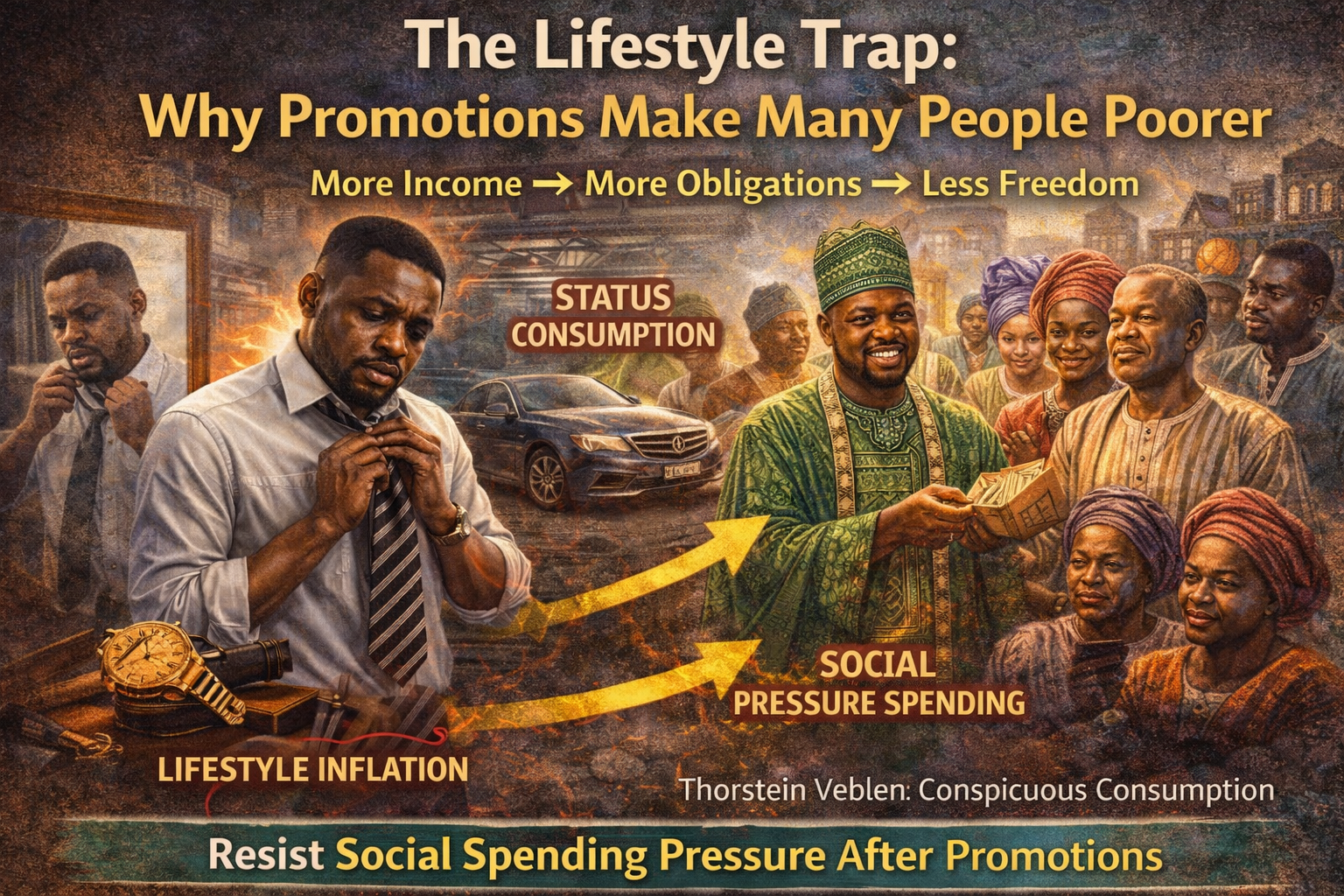
Financial freedom is often confused with lavish consumption. However, spending without restraint creates dependency, not freedom.
High income combined with:
- Lifestyle inflation
- Excessive debt
- Poor financial controls
…can leave individuals wealthier on paper but more financially fragile in reality.
True financial freedom often involves:
- Conscious spending
- Delayed gratification
- Clear distinction between assets and liabilities
Freedom is not about how much you spend—it is about how little you must spend to maintain stability.

2.3 It Does Not Mean Zero Risk
Another misconception is that financial freedom eliminates risk. In fact, risk is unavoidable.
What changes is:
- The type of risk
- The capacity to absorb losses
- The ability to recover
Financially free individuals take calculated risks:
- Diversified investments
- Businesses with buffers
- Risk transfer through insurance
Avoiding all risk leads to stagnation; managing risk leads to sustainability.
3. The Building Blocks of Real Financial Independence
3.1 Stable and Scalable Income
Financial freedom begins with income reliability before income abundance.
This may include:
- Skilled employment
- Profitable business operations
- Professional services
- Scalable enterprises
Speculative income without stability increases anxiety and fragility.
3.2 Asset Ownership Over Time
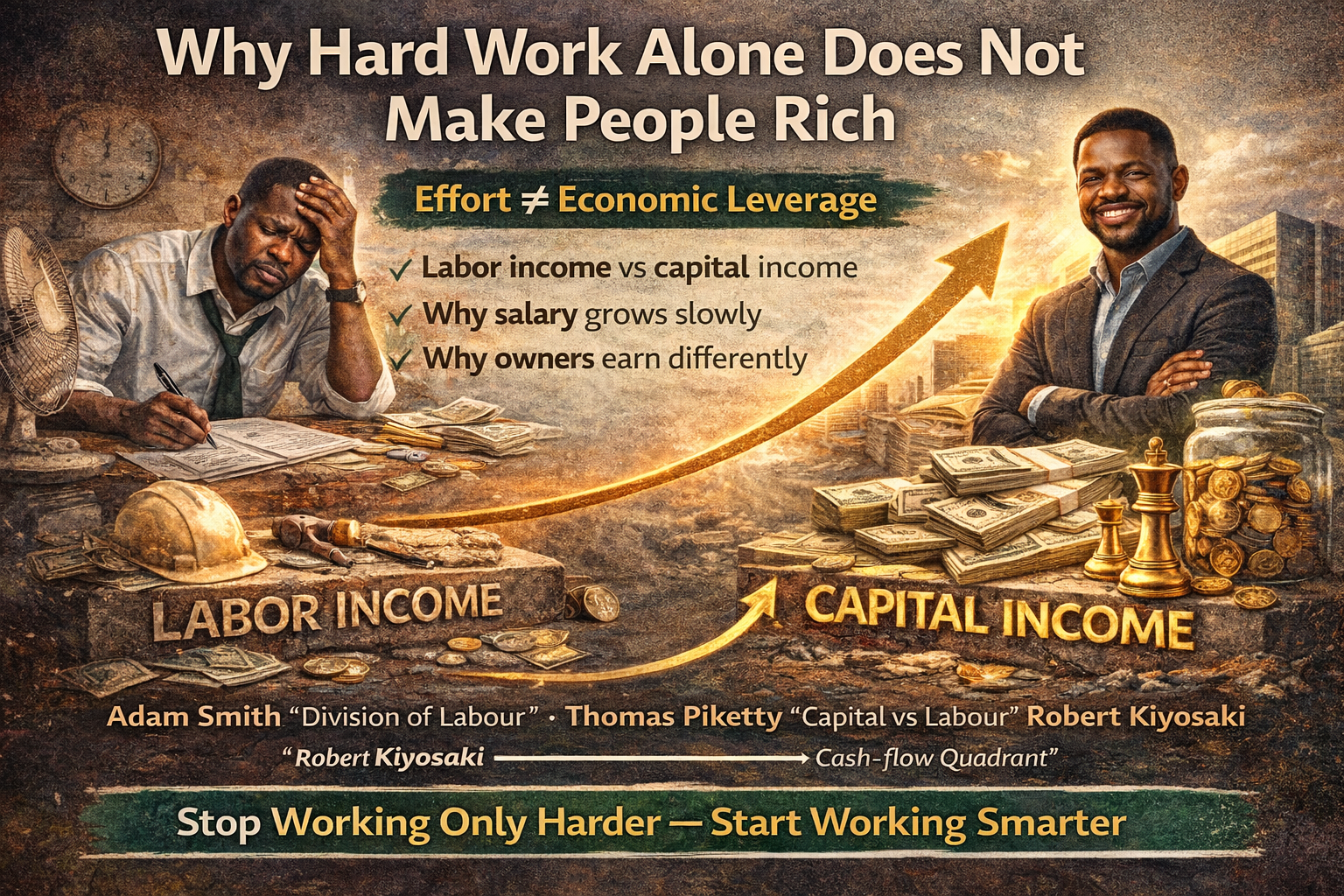
Assets—not income alone—create financial independence.
Examples include:
- Businesses with predictable cash flows
- Productive real estate
- Long-term financial investments
- Intellectual property and equity stakes
Assets convert effort into ongoing value. Without assets, freedom remains temporary.
3.3 Debt Used Strategically, Not Emotionally
Financial freedom does not require zero debt—but it does require intelligent debt.
Productive debt:
- Expands earning capacity
- Funds assets that generate returns
- Is matched with predictable cash flows
Destructive debt:
- Funds consumption
- Carries high interest
- Reduces flexibility
The distinction between these two determines whether debt accelerates freedom or destroys it.
3.4 Financial Literacy and Governance
Wealth without literacy is unstable.
True financial freedom requires:
- Understanding cash flow
- Budgeting and forecasting
- Basic investment principles
- Tax and regulatory awareness
- Personal or business financial governance
Ignorance is one of the fastest ways to lose money.
4. Financial Freedom in a Developing Economy Context
In environments characterized by:
- Inflation
- Currency volatility
- Weak social safety nets
Financial freedom takes on additional dimensions:
- Geographic diversification
- Currency risk management
- Multiple income streams
- Greater emphasis on liquidity
Here, freedom is less about luxury and more about security and adaptability.
5. Redefining the Goal: From Fantasy to Functionality
The most dangerous aspect of the financial freedom narrative is that it sets unrealistic expectations and creates unnecessary frustration.
A more accurate definition is this:
Financial freedom is the ability to sustain your desired standard of living, absorb economic shocks, and make life decisions without being dominated by financial fear—over the long term.
This version may be less glamorous than social media promises, but it is infinitely more valuable.
Conclusion: The Quiet Power of Real Financial Freedom
Real financial freedom is not loud. It does not announce itself with luxury cars or viral posts. It shows up quietly as:
- Stability
- Optionality
- Resilience
- Peace of mind
It is built through discipline, patience, and informed decision-making—not shortcuts.
Understanding what financial freedom actually means is the first step toward achieving it. Understanding what it does not mean may be even more important.