What Is Tokenization — and How Will It Change Investing Forever?
By WealthQuizzes Editorial Team
The Concept of Tokenized Assets
Imagine owning a slice of a skyscraper in Lagos, a luxury apartment in Dubai, or a masterpiece of African art — all from your smartphone, without ever meeting a broker or paying millions upfront.
That’s the power of tokenization, one of the most transformative concepts in modern finance.
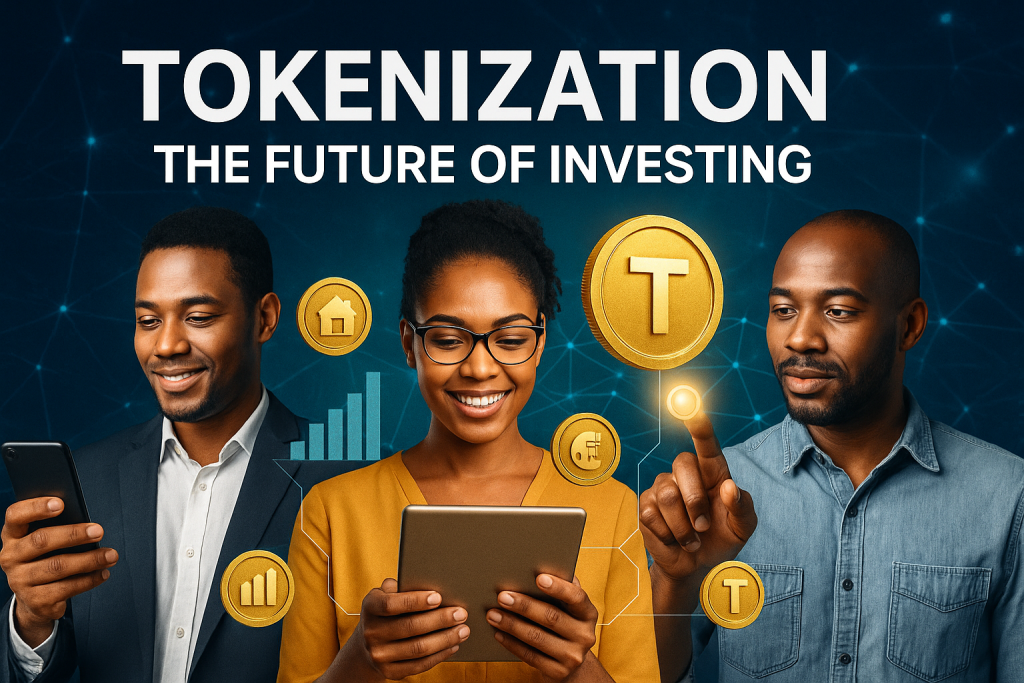
Tokenization refers to the process of converting real-world assets — such as real estate, stocks, art, or even commodities — into digital tokens recorded on a blockchain. Each token represents a fraction of ownership in the underlying asset.
For example:
A property worth ₦100 million can be split into 100,000 digital tokens. Each token, worth ₦1,000, represents partial ownership of that property.
By owning tokens, investors can buy, sell, or trade their shares instantly — much like trading stocks online.
In short, tokenization makes illiquid assets liquid and exclusive investments inclusive.
How Blockchain Enables Fractional Ownership
At the heart of tokenization is blockchain technology — the same innovation that powers cryptocurrencies.
Blockchain serves as a secure, transparent ledger, recording every transaction and verifying ownership without the need for intermediaries like brokers, registrars, or central depositories.
Here’s how it works in practice:
- Asset Identification: A real-world asset (like a property or company share) is evaluated and legally structured.
- Digital Representation: The asset is “tokenized” — divided into digital tokens on a blockchain.
- Trading Platform: These tokens can then be traded on secure digital exchanges, much like stocks.
- Smart Contracts: Automated blockchain-based agreements ensure compliance and instant settlement between buyers and sellers.
This innovation introduces fractional ownership — meaning investors can buy a portion of high-value assets that were once accessible only to the wealthy or institutional players.
It’s democratized investing, powered by code.
Benefits for Small Investors
The traditional investment landscape has long favored those with deep pockets. Tokenization levels that playing field.
Here are key advantages for small and medium investors:
1. Accessibility
Investors can participate in markets that were once out of reach. You don’t need ₦50 million to own real estate anymore — ₦5,000 can get you started.
2. Liquidity
Unlike traditional assets that take months to sell, tokenized assets can be traded instantly, providing liquidity in previously illiquid markets.
3. Transparency
Because every transaction is recorded on the blockchain, investors can verify ownership, pricing, and history without relying solely on intermediaries.
4. Diversification
With lower entry barriers, investors can diversify across multiple asset classes — property, art, startups — reducing risk exposure.
5. Lower Costs
By eliminating intermediaries and automating transactions, tokenization reduces brokerage, legal, and administrative costs.
In essence, tokenization transforms investing from elitist to inclusive, from manual to digital, and from opaque to transparent.
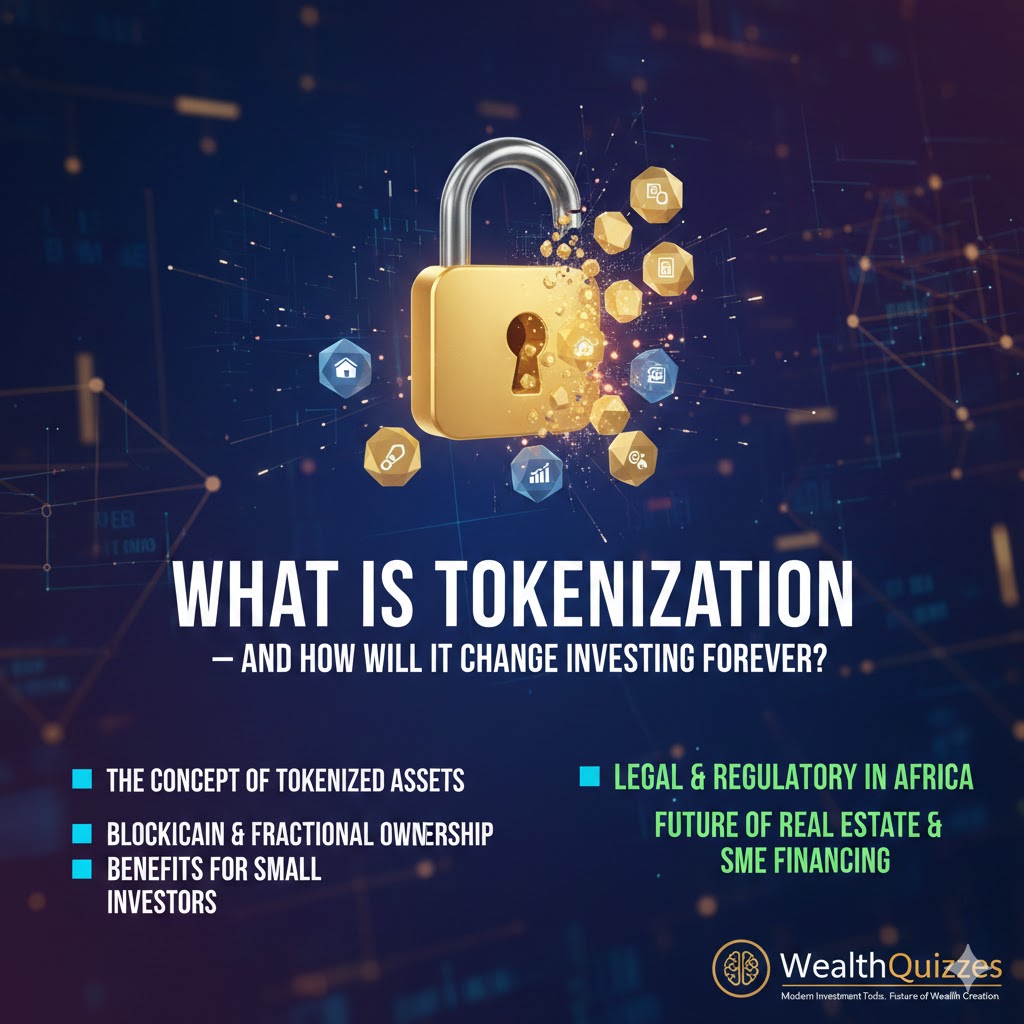
Legal and Regulatory Implications in Africa
While tokenization holds massive promise, its adoption in Africa is still in its early stages — and regulation remains a key concern.
1. Legal Recognition of Digital Assets
Many African countries are yet to define clear legal frameworks for digital tokens. Are they securities, property, or utility instruments? Without clarity, investors face uncertainty in ownership rights and enforcement.
2. Regulatory Oversight
Regulators such as the Securities and Exchange Commission (SEC) Nigeria, South Africa’s FSCA, and Kenya’s Capital Markets Authority are beginning to study tokenized investments, but policies remain fragmented.
3. Investor Protection
Fraud and misuse are real risks. Without strong regulatory frameworks and investor education, tokenization could be exploited by unregulated operators.
However, progress is emerging:
- Nigeria’s SEC has started exploring digital investment guidelines.
- South Africa is developing a framework for digital assets under its Intergovernmental Fintech Working Group (IFWG).
- Mauritius has established digital asset licenses and is positioning itself as a blockchain hub for Africa.
As these regulations evolve, tokenization could become the backbone of Africa’s next investment revolution.
The Future of Real Estate and SME Financing Through Tokens
Few sectors stand to benefit more from tokenization than real estate and small business financing.
Real Estate
Property ownership has always been capital-intensive, slow, and burdened with legal complexities. Through tokenization, investors can buy fractional ownership in real estate projects — from apartments to commercial complexes — and earn proportional returns.
Developers, on the other hand, gain faster access to capital by selling digital shares of their projects directly to investors.
Small and Medium Enterprises (SMEs)
SMEs, often underserved by traditional banks, can raise capital through tokenized crowdfunding. Instead of taking expensive loans, businesses can issue tokens backed by revenue streams or assets — allowing investors to share in their growth.
This could be revolutionary in Africa, where over 80% of employment comes from SMEs but access to finance remains limited.
Tokenization provides a bridge between innovation and inclusion — enabling both investors and entrepreneurs to participate in wealth creation.
Challenges Ahead
Despite its promise, tokenization faces several hurdles before mainstream adoption:
- Infrastructure Limitations: Reliable digital systems and secure platforms are needed.
- Public Awareness: Many investors still equate blockchain solely with cryptocurrency speculation.
- Regulatory Lag: Policymakers must balance innovation with investor safety.
- Cybersecurity Risks: Digital assets are vulnerable to hacks if platforms lack robust safeguards.
These challenges highlight the importance of education and collaboration — between regulators, fintechs, and investors — to ensure safe and sustainable growth.
WealthQuizzes Perspective: The Future of Wealth Creation Is Digital
At WealthQuizzes, we believe that understanding tokenization is not just about technology — it’s about the future of financial opportunity.
By teaching Africans how digital assets and blockchain-based investments work, we help bridge the gap between curiosity and capability.
Tokenization represents a world where:
- Everyone can invest, regardless of income.
- Wealth creation is driven by access, not privilege.
- Financial literacy becomes a tool for empowerment, not exclusion.
Through our platform, we continue to promote the mindset that financial intelligence evolves with technology — and the more we learn, the more opportunities we unlock.
Because the next generation of investors will not just own assets — they’ll own digital shares of the future.