The Illusion of Being ‘Okay’: Why Stability Is Dangerous
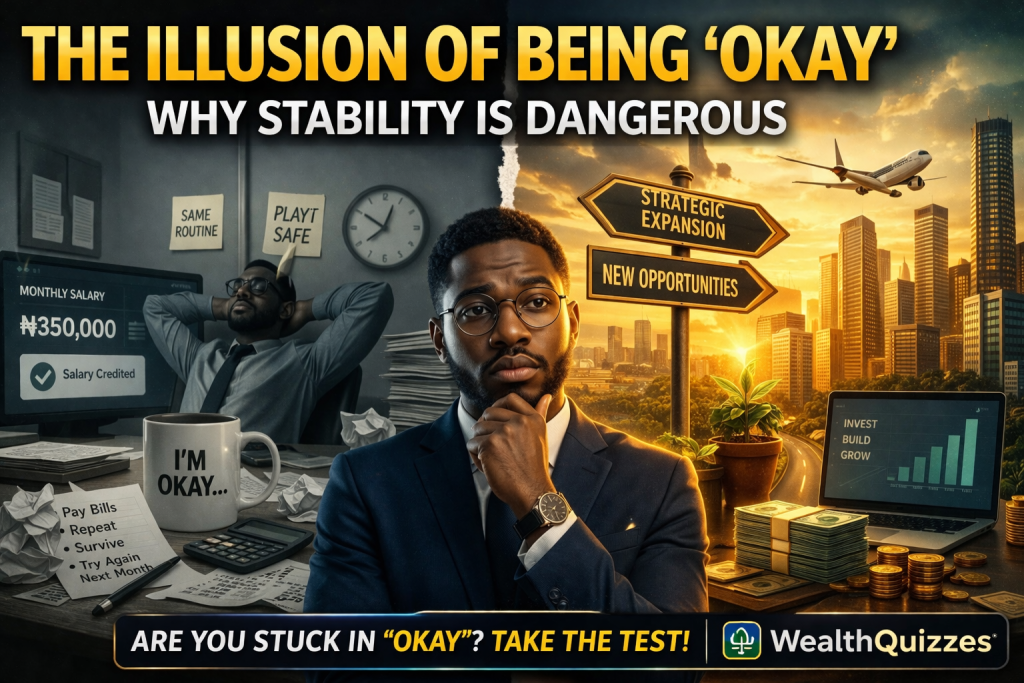
The Illusion of Being ‘Okay’: Why Stability Is Dangerous How Comfort Can Quietly Kill Your Financial Growth Introduction: The Most Deceptive Financial State There is a dangerous place many people find themselves in financially. It is not poverty. It is not wealth. It is something in between: “I’m okay.” You can: Pay your bills Afford […]
The Financial Identity Crisis Among Young Nigerians

The Financial Identity Crisis Among Young Nigerians Why Not Knowing Who You Are Financially Is Costing You Everything Introduction: The Invisible Crisis Across Nigeria today, there is a silent but powerful crisis affecting millions of young people. It is not just: Unemployment Inflation Low income It is deeper than that. It is a financial identity […]
Why Hard Work Alone Will Not Make You Wealthy

Why Hard Work Alone Will Not Make You Wealthy The Limits of Effort in a World That Rewards Leverage Introduction: The Popular Lie About Wealth From childhood, one message is repeated consistently: “Work hard, and you will succeed.” It sounds noble. It feels fair. It appears logical. But in reality, this belief is incomplete—and often […]
The Debt Illusion: When Borrowing Feels Like Progress
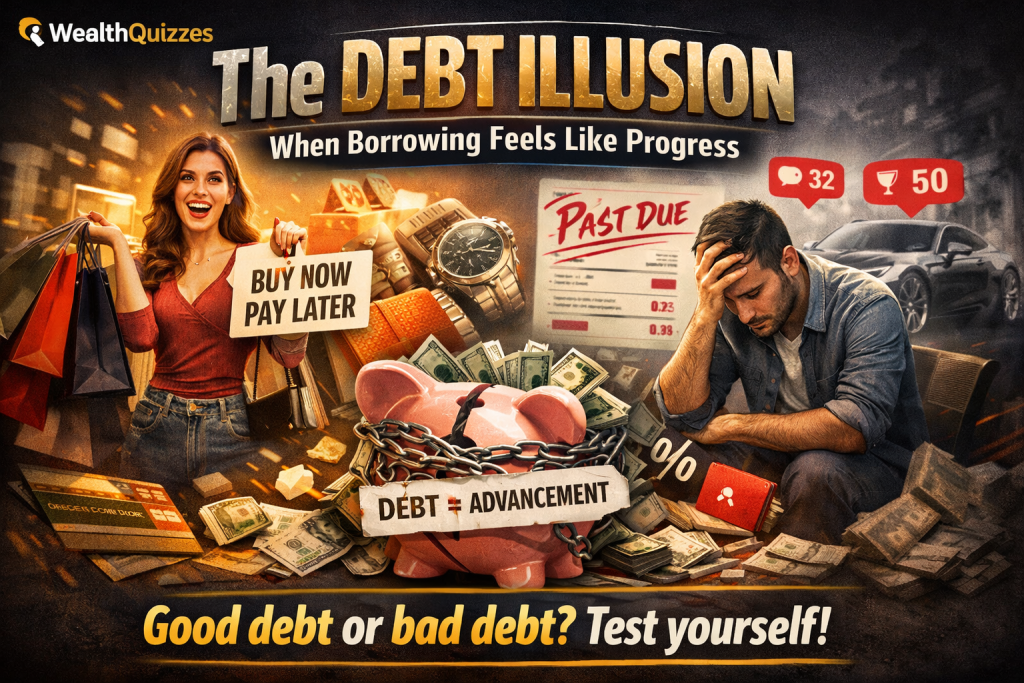
The Debt Illusion: When Borrowing Feels Like Progress Why Taking on Debt Often Masquerades as Financial Growth Introduction: The False Sense of Advancement In today’s financial environment, borrowing has become easier, faster, and more socially acceptable than ever before. You can: Buy a phone and pay later Upgrade your lifestyle instantly Spread payments across months […]
Financial Blind Spots: What You Don’t See Is Costing You Money

Financial Blind Spots: What You Don’t See Is Costing You Money The Silent Financial Leaks Draining Your Wealth Introduction: The Most Dangerous Financial Problem Most people think their financial struggles come from: Low income Big expenses Lack of opportunities But the truth is far more subtle—and more dangerous. Most financial losses do not come from […]
The Wealth Delay Principle: Why Timing Matters More Than Effort
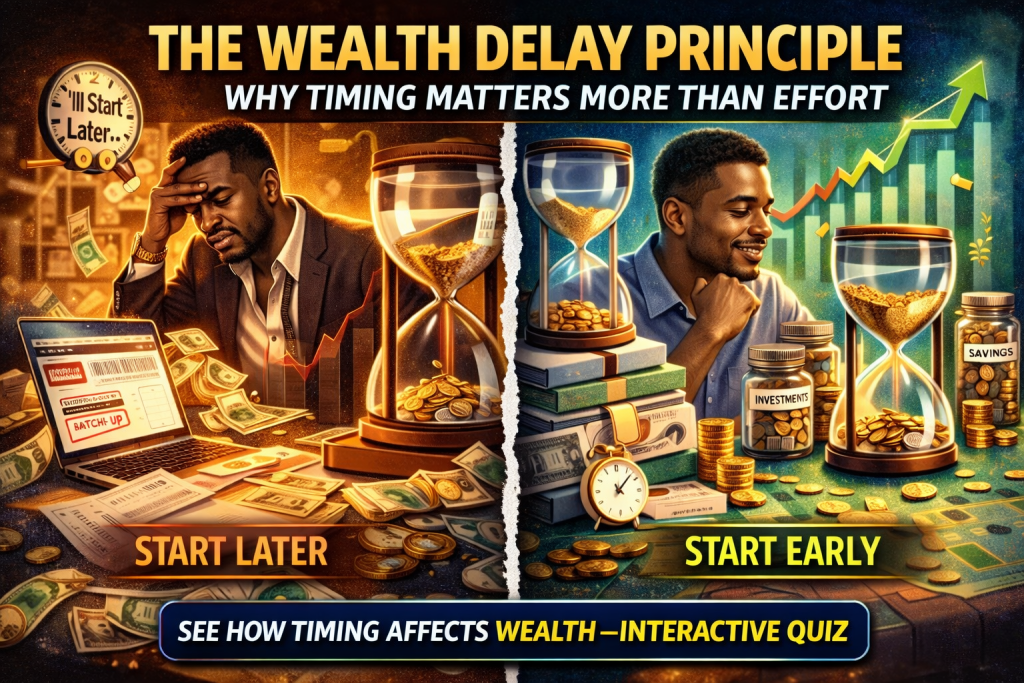
The Wealth Delay Principle: Why Timing Matters More Than Effort How Waiting Costs More Than Working Hard Introduction: The Most Expensive Financial Mistake Most people believe that wealth is built through: Hard work High income Hustle And while these matter, they are not the most decisive factor. There is a quieter, more powerful force that […]
Cash Flow Intelligence: The Skill Schools Never Taught You

Cash Flow Intelligence: The Skill Schools Never Taught You Why Managing Money Flow Matters More Than How Much You Earn Introduction: The Financial Skill Nobody Taught You From primary school to university, one thing is clear: You are taught how to earn money, but never how to manage it. You are trained to: Get good […]
The Hidden Cost of ‘Soft Life’ Culture Why Comfort Today Can Cost You Freedom Tomorrow

The Hidden Cost of ‘Soft Life’ Culture Why Comfort Today Can Cost You Freedom Tomorrow Introduction: The Seductive Promise of the “Soft Life” Across Nigeria and much of the world, a new aspiration has taken center stage—the “soft life.” It is marketed as: Peace over pressure Comfort over struggle Enjoyment over stress On the surface, […]
The Income Trap: Why More Money Doesn’t Fix Poor Financial Thinking
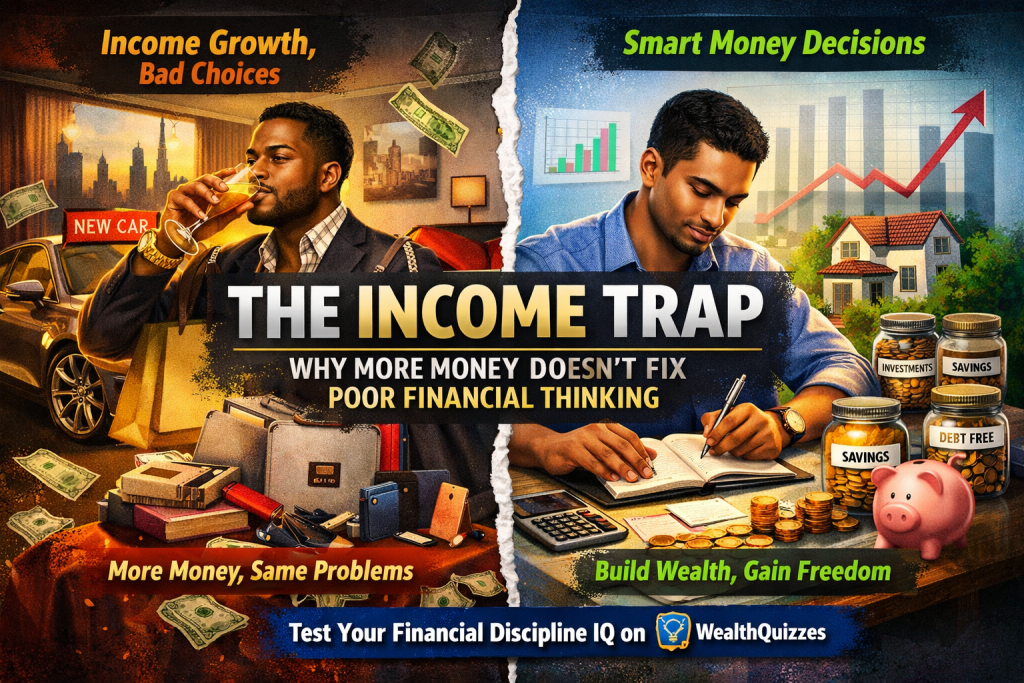
The Income Trap: Why More Money Doesn’t Fix Poor Financial Thinking Introduction: The Dangerous Assumption There is a widely accepted belief in modern society—especially among young professionals—that earning more money automatically leads to financial stability. It sounds logical: if income increases, then financial stress should reduce. But reality tells a different story. Across Nigeria and […]
The Financial Identity Shift: From Consumer to Owner

The Financial Identity Shift: From Consumer to Owner In most financial discussions, the focus is placed on income—how to earn more, how to save better, how to invest wisely. While these are important, they often overlook a deeper and more fundamental driver of financial outcomes: Identity. Before income improves, before assets are built, before wealth […]